
What to Expect at a Pelvic Exam
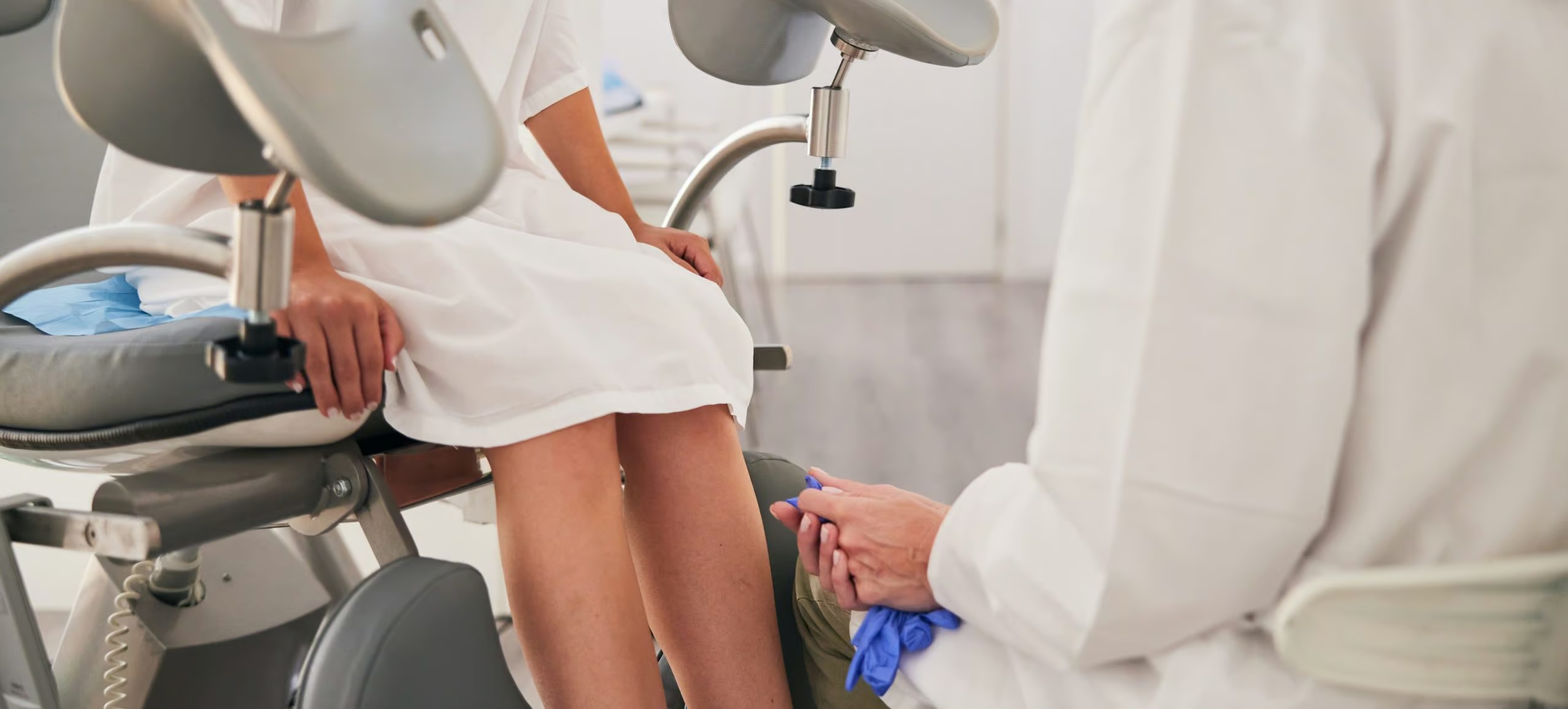
As part of your wellness visit at a family planning center, you may have a pelvic exam. But what exactly is a pelvic exam? Will it be embarrassing? Will it hurt? These questions and feelings are normal, but you don’t need to worry. We’ll break down what goes on during a pelvic exam so you can feel confident and prepared.
What is a Pelvic Exam?
Pelvic exams help to find the cause of various symptoms and can detect signs of possible health conditions. During a pelvic exam, some women will receive a pap smear. A Pap smear also called a Pap test, is usually performed to check for cervical cancer cells. However, a pelvic exam is also a routine part of preparing for or preventing pregnancy.
Why Do I Need a Pelvic Exam?
If you are sexually active, a regular exam is important to keep you healthy. You and your healthcare provider should discuss how often you should have an exam. However, a pelvic exam can be scheduled at any time. If you are experiencing unusual symptoms, you may need a pelvic exam to find out what is wrong and get treated. Some abnormal symptoms include:
- Abnormal vaginal discharge
- Unusual vaginal bleeding
- Unusual or unpleasant smell from vaginal discharge
- Pelvic pain
- Skin changes
- Urinary problems
A pelvic exam helps your healthcare provider find the cause or causes of these symptoms, decide if additional testing is needed, and determine the best treatment for you.
What Can I Learn from a Pelvic Exam?
A pelvic exam often is used to find possible signs of many conditions, such as:
- Sexually transmitted infections (STIs)
- Endometriosis
- Pelvic inflammatory disease (PID)
- Vaginitis
- Yeast infection
- Bacterial vaginosis
- Trichomoniasis
- Ovarian cysts
- Uterine fibroids
- Cancer
How to Prepare for a Pelvic Exam
You don’t need to prepare for a pelvic exam; however, you may want to schedule your exam on a day when you don’t have your period or when you do not have heavy flow from your period. Using the restroom before your exam may also make the exam more comfortable for you. Prior to a Pap smear, you should abstain from sex for 24 hours before your scheduled appointment. If you have questions, you can always want to write them down and take them with you to the appointment.
What to Expect During and After a Pelvic Exam
In the exam room:
- When you’re called in to start your visit, your vital signs will be taken (blood pressure, weight, etc.). You may also be asked about the first day of your last period.
- You will be given a gown and privacy to undress completely or partially from the waist down. When the healthcare provider enters the room, he or she may ask you some questions. This is a good time to bring up any issues or questions you may have.
- You can always request to have a chaperone present during the exam. The chaperone can be the medical assistant or nurse that did your intake, or another medical provider.
- You’ll then lay on your back on the exam table with your knees bent and your feet placed in stirrups (metal foot supports). At this time, an exam light on the ceiling or stand will be turned on.
- You’ll scoot your body toward the end of the table to where the healthcare provider can see and examine your pelvic area.
The exam:
- The external visual exam inspects your vulva to look for any abnormalities, such as swelling, redness, irritation, skin growth or sores.
- The internal visual exam examines your internal organs and structure along the vaginal canal and cervix. Your healthcare provider inserts a lubricated speculum (a duckbill-shaped plastic or metal instrument) into your vagina, the lubricant helps to ease the insertion. Your provider will open and lock the speculum in place so as to view your vagina and cervix. Inserting and opening the speculum causes pressure that may feel odd, but should not be painful. Because of the discomfort, some patients have trouble relaxing, which can increase discomfort or cause pain. Try to relax as much as possible by taking deep breaths, but if you do have pain, tell your doctor immediately.
- During a Pap smear, a small brush will be swiped across your cervix to collect a sample of your cervical cells.
- During the physical exam, your provider will feel your abdomen and pelvis. They will insert two lubricated, gloved fingers into your vagina, while the other hand presses gently on the outside of your lower abdomen. This step is used to check the size and shape of your ovaries and uterus, noting any tender spots or unusual growths.
Your provider should tell you exactly what he or she is doing before and during each step, so nothing is a surprise. If your provider is not giving you enough information or you feel uncomfortable, let your provider know.
After the pelvic exam
Your healthcare provider will leave the room while you get dressed. Your provider will then return, discuss any results and give you an opportunity to ask any other questions you may have about your sexual or reproductive health.
Will I Get My Results Immediately?
Your healthcare provider may be able to tell you immediately if any unusual exam results were found, though it may be too early for a diagnosis at that point for any unusual findings. Pap tests are often sent to a lab, and results may take a few days to a couple weeks. Not all healthcare providers call if the result is normal. Be sure to ask if you want a phone call either way.
Next Steps
Based on the results of your exam, your healthcare provider will discuss any next steps, additional tests, medications, home care or treatment plan.
Maintaining your reproductive and sexual health is just as important as taking care of the rest of your body. Whether you have concerning symptoms or need to schedule your first routine pelvic exam, visit the find a health center page today, to find your nearest NJFPL-supported health center and schedule your appointment.
If you are experiencing any form of abuse and/or violence, please know that you are not alone. Help is available. The New Jersey Coalition to End Domestic Violence offers lifesaving tools and immediate support 24/7 to empower victims and survivors of domestic violence to find safety and live free of abuse. Their toll-free 24/7 hotline is available at 1-800-572-SAFE (7233) or text LOVEIS to 22522.
The New Jersey Coalition Against Sexual Assault offers medical, legal and support services for survivors of sexual violence. Their toll-free 24/7 hotline is available at 1-800-601-7200. Your safety comes first, all calls are confidential. If you or someone you know is in immediate danger, call 9-1-1.